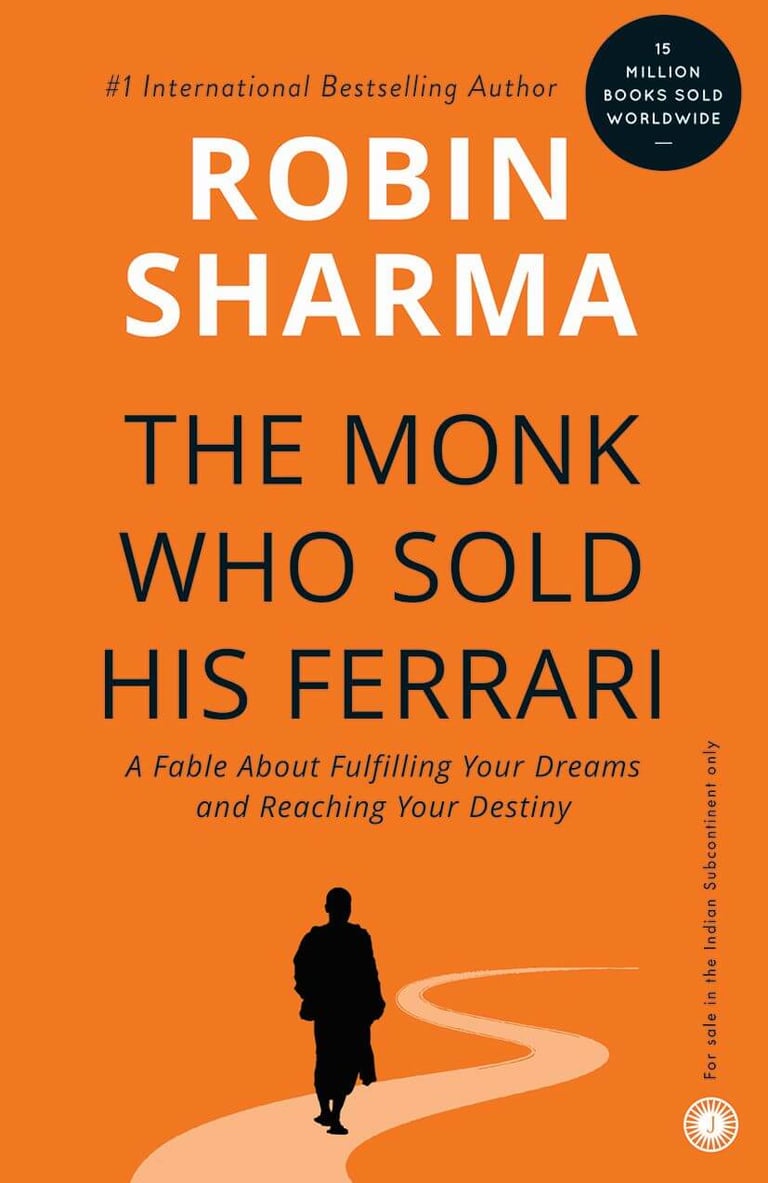
The Monk Who Sold His Ferrari
The Monk Who Sold His Ferrari is a famous self-help and motivational book written by Robin Sharma. The book was first published in 1997 by HarperCollins. It is one of the most popular personal development books in the world and has inspired millions of readers. The book combines storytelling with practical life lessons and teaches readers how to achieve success, happiness, peace of mind, and a balanced life. Through a simple and interesting story, Robin Sharma shares valuable principles that can help people improve their lives.
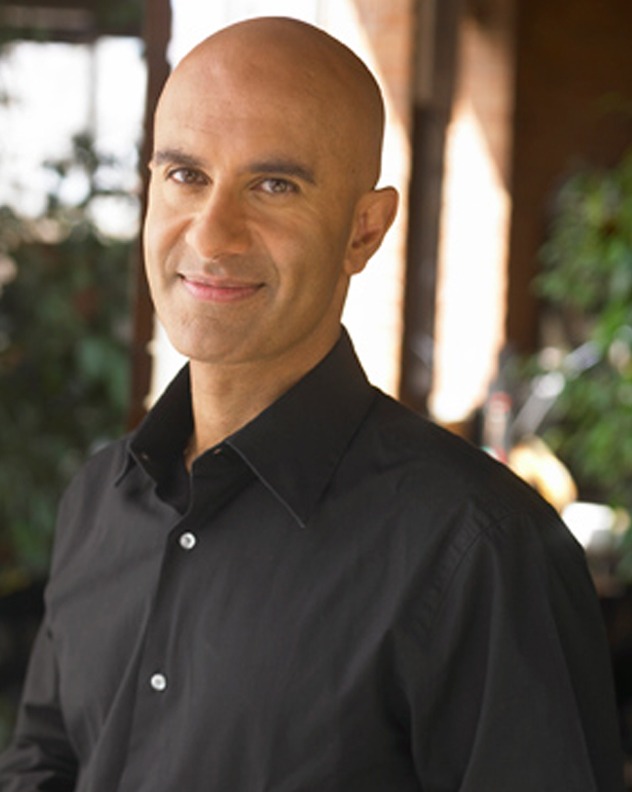
Robin Sharma is a well-known author, speaker, and leadership expert. Before becoming a writer, he worked as a lawyer. Later, he decided to focus on writing and teaching people about leadership, personal growth, and success. His books are known for their simple language and practical advice. Through his writing, Sharma encourages readers to develop good habits, discover their purpose, and live a meaningful life. The Monk Who Sold His Ferrari is his most famous book and has been translated into many languages.
The book tells the story of Julian Mantle, a highly successful lawyer. Julian is rich, famous, and respected. He owns a luxurious Ferrari, lives in a beautiful mansion, and earns a lot of money. From the outside, his life seems perfect. However, behind all his success, Julian is unhappy, stressed, and exhausted. He spends most of his time working and has little time for his health, family, and personal happiness. One day, while arguing a case in court, Julian suddenly suffers a heart attack. This shocking event changes his life completely. He realizes that all his wealth and success have not given him true happiness. He begins to question the purpose of his life and decides to make a major change. He sells his expensive possessions, including his beloved Ferrari, and travels to India in search of wisdom and inner peace.
During his journey, Julian travels to the Himalayan mountains where he meets a group of wise monks known as the Sages of Sivana. These monks live simple lives and possess great wisdom about happiness, health, and success. Julian spends several months learning from them. He discovers important principles that help him transform his life physically, mentally, emotionally, and spiritually. After returning from India, Julian meets his former colleague John and shares everything he has learned. The rest of the book is mainly a conversation between Julian and John. Through this discussion, Julian explains the lessons he learned from the monks and how they can help anyone live a better life.
One of the most important lessons in the book is the importance of mastering the mind. Julian explains that our thoughts have a powerful influence on our lives. Negative thoughts create stress, fear, and unhappiness, while positive thoughts create confidence, peace, and success. The monks teach him that people should learn to control their thoughts instead of allowing their thoughts to control them. By focusing on positive ideas and goals, individuals can improve the quality of their lives. Another key lesson is the importance of following a purpose in life. The book teaches that many people spend their lives chasing money, status, and material possessions but forget to discover what truly matters to them. According to the monks, every person should have a clear purpose and meaningful goals. When people know what they want to achieve and why they want to achieve it, they become more motivated and fulfilled.
The book also emphasizes the value of continuous self-improvement. The monks teach Julian that personal growth should be a lifelong journey. Just as athletes train their bodies regularly, people should train their minds and character every day. Reading good books, learning new skills, and developing positive habits help people become better versions of themselves. Health is another major theme in the book. Julian learns that success means very little if a person is unhealthy. The monks encourage regular exercise, proper nutrition, and sufficient rest. They believe that taking care of the body is essential for maintaining energy, happiness, and productivity. The book reminds readers that good health is one of the greatest forms of wealth.
One of the most memorable lessons in the book is about living in the present moment. Many people spend their time worrying about the future or regretting the past. As a result, they miss the beauty of the present. The monks teach Julian to focus on the current moment and appreciate life's simple pleasures. This practice helps reduce stress and increases happiness. The book also discusses the importance of discipline. According to the monks, success is built through small daily actions. Good habits practiced consistently over time produce extraordinary results. Whether it is exercising, reading, learning, or saving money, small improvements each day eventually lead to major achievements. The book encourages readers to develop self-discipline and stay committed to their goals. Another important lesson is the value of time. Julian learns that time is one of the most valuable resources in life. Unlike money, time cannot be replaced once it is lost. The monks encourage people to use their time wisely and focus on activities that contribute to their happiness, growth, and purpose. They advise avoiding unnecessary distractions and spending more time on meaningful work and relationships.
The book also teaches the importance of helping others. The monks believe that true happiness comes not only from personal success but also from serving others. Acts of kindness, generosity, and compassion bring a deeper sense of satisfaction than material wealth. Julian realizes that a meaningful life includes making a positive difference in the lives of other people. One of the unique features of the book is the fable used by the monks to explain their teachings. The monks share a story involving a magnificent garden, a lighthouse, a sumo wrestler, a pink wire cable, a stopwatch, fragrant roses, and a path of diamonds. Each symbol represents an important life principle. These symbols help readers remember the lessons more easily and make the teachings more interesting.
The language of The Monk Who Sold His Ferrari is simple and easy to understand. Robin Sharma avoids complicated words and explains his ideas through stories and examples. This makes the book suitable for readers of all ages. Students, professionals, businesspeople, and retirees can all benefit from its lessons.
One of the strengths of the book is its positive and inspiring message. It encourages readers to examine their lives and think about what truly matters. The book does not suggest that money and success are unimportant. Instead, it teaches that material success should be balanced with health, relationships, happiness, and personal growth. Another reason for the book’s popularity is its practical advice. The lessons are not just theoretical ideas; they can be applied in daily life. Readers can start practicing gratitude, positive thinking, time management, goal setting, and healthy habits immediately. These small changes can gradually lead to significant improvements.
The book also highlights the importance of courage. Julian had the courage to leave behind a comfortable but unfulfilling life in order to seek something more meaningful. His journey reminds readers that positive change often requires stepping outside their comfort zones. The lessons about self-discipline, mindfulness, purpose, and service continue to inspire people around the world. The book encourages readers to focus not only on achieving success but also on becoming happier, healthier, and more fulfilled individuals.
Overall, The Monk Who Sold His Ferrari is a powerful guide to living a balanced and fulfilling life. Robin Sharma uses a simple story to share timeless wisdom about success, happiness, discipline, and self-discovery. The book encourages readers to look beyond material achievements and focus on personal growth, health, and service to others. Its practical lessons and positive message make it a valuable read for anyone who wants to improve their life and find deeper meaning and happiness. The book reminds readers that true success is not measured only by wealth or status but also by inner peace, good health, strong relationships, and a sense of purpose.
- Robin Sharma