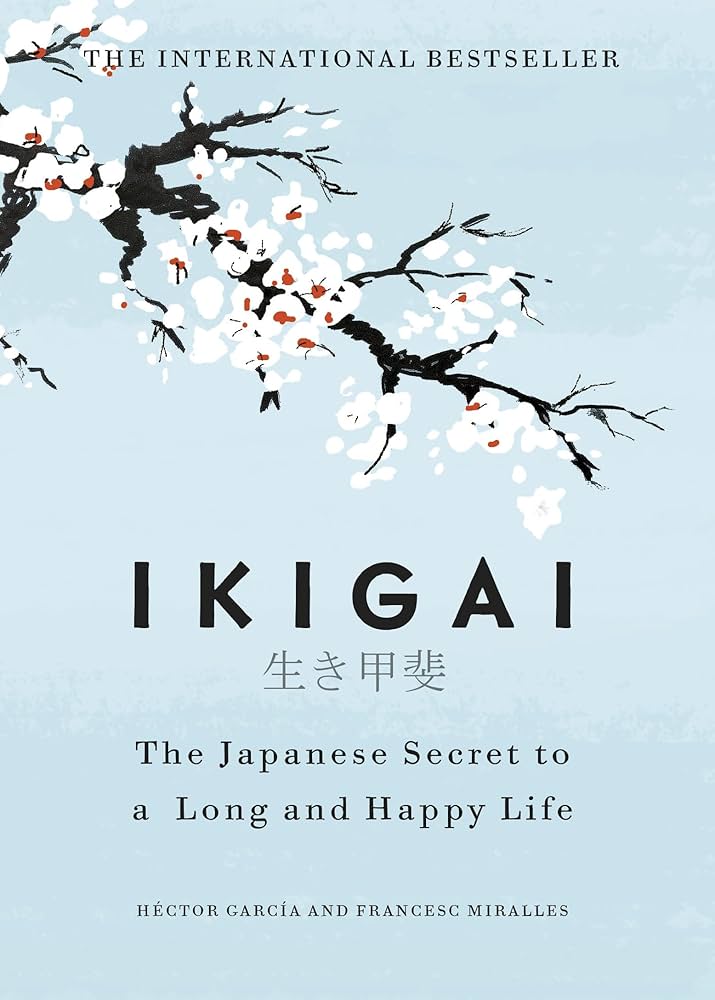
Ikigai: The Japanese Secret to a Long and Happy Life
Ikigai: The Japanese Secret to a Long and Happy Life is a popular, thoughtful and inspiring book written by Francesc Miralles and Héctor García. The book is published by Penguin Random House. It explores the Japanese idea of “ikigai”, which means a reason for living or the purpose that makes life meaningful and joyful. The book explains how people can live longer, happier, and more fulfilling lives by discovering their own ikigai.
The authors of the book, Francesc Miralles and Héctor García, are both writers from Spain who are interested in Japanese culture and philosophy. Francesc Miralles is a Spanish writer and journalist who has written many books on personal growth and motivation. Héctor García is also a Spanish author who has lived in Japan for many years and has written several books about Japanese life and traditions. Together, they have written this book after studying the lifestyle of Japanese people, especially those who live very long and healthy lives. Their writing style is simple and clear, making it easy for readers to understand the ideas.
The main idea of the book is the concept of ikigai. In Japanese culture, ikigai refers to the reason why a person wakes up in the morning. It is the purpose that gives meaning to life. According to the book, everyone has an ikigai, but sometimes people need time and self-reflection to discover it. The authors explain that ikigai is often found where four important elements meet: what you love, what you are good at, what the world needs, and what you can be rewarded for. When these four elements come together, a person can find a life that is both meaningful and satisfying.
One of the most interesting parts of the book is the discussion about the village of Okinawa in Japan. Okinawa is known for having one of the highest numbers of people who live to be over one hundred years old. The authors visited this place to understand the secrets of the long and happy lives of its residents. They discovered that the people in Okinawa follow simple habits that help them stay healthy and positive throughout their lives. The people in Okinawa often live active lives even when they are very old. Many of them continue to work, garden, or help their communities well into their nineties or even beyond. Instead of retiring completely, they stay engaged in activities they enjoy. This constant activity helps them stay physically and mentally healthy.
Another important lesson from the book is the idea of staying active and avoiding too much stress. The authors explain that many people in modern societies feel unhappy because they are always rushing and worrying about the future. In contrast, people who practice ikigai focus on the present moment and enjoy simple daily activities. This helps them live with greater peace and satisfaction.
The book also talks about the importance of strong social connections. In Okinawa, people form close groups of friends known as “moai.” These groups support each other throughout life by sharing experiences, helping in times of need, and celebrating together. This sense of community helps people feel less lonely and more supported. According to the authors, good relationships and strong friendships are essential for happiness and long life.
Diet and lifestyle are also discussed in the book. The people of Okinawa often eat healthy foods such as vegetables, fruits, tofu, and fish. They also follow a principle called “hara hachi bu,” which means eating until they are about eighty percent full instead of overeating. This habit helps them maintain good health and avoid many diseases.
The book emphasizes that having a purpose in life is one of the most important factors for happiness. When people feel that their lives have meaning, they are more motivated and energetic. They wake up each day with enthusiasm and feel excited about what they are doing. This sense of purpose can come from work, hobbies, helping others, or creating something meaningful. The authors also discuss the importance of flow, which is the state of being fully focused and involved in an activity. When people experience flow, they lose track of time and feel deeply satisfied with what they are doing. Activities like painting, writing, playing music, gardening, or solving problems can create this feeling. The book suggests that finding activities that bring flow can help people discover their ikigai.
Another important message in the book is the value of resilience. Life often brings challenges and difficulties, but people who have a strong sense of purpose are better able to overcome these problems. The authors explain that resilience helps people stay positive even in difficult times. Learning from challenges and continuing to move forward is an important part of living a meaningful life.
The book also encourages readers to slow down and appreciate the small joys of life. Modern life is often busy and stressful, and people sometimes forget to enjoy simple moments such as spending time with family, walking in nature, or enjoying a hobby. The philosophy of ikigai reminds readers that happiness is not always found in big achievements but often in small everyday experiences.
One of the strengths of the book is its simple and clear language. The authors explain ideas in a way that is easy for readers to understand. They use examples, stories, and observations from Japanese culture to make their ideas more interesting. Because of this, the book can be enjoyed by readers from many different backgrounds. The book also includes practical advice that readers can apply in their own lives. For example, it suggests finding activities that you truly enjoy, maintaining healthy relationships, staying physically active, and developing a positive attitude. By following these ideas, readers can slowly move closer to discovering their own ikigai. The philosophy presented in the book is not only about achieving success or wealth. Instead, it focuses on balance, fulfillment, and personal satisfaction. The authors show that a happy life is often built on simple habits, meaningful work, supportive relationships, and a sense of purpose.
The book also encourages readers to be patient with themselves. Discovering one’s purpose in life is not something that happens instantly. It often takes time, reflection, and experience. The authors remind readers that it is normal for people to change their goals and interests as they grow older. Throughout the book, the authors share stories of people who have found their ikigai in different ways. Some people find purpose in creative work, others in helping their communities, and some in caring for their families. These examples show that there is no single path to happiness. Each person’s ikigai is unique.
Overall, Ikigai: The Japanese Secret to a Long and Happy Life is an inspiring and thoughtful book that encourages readers to think about the deeper meaning of their lives. The book provides valuable insights into how people can discover their purpose and live with greater happiness and balance. Through simple language and interesting stories, the authors explain how purpose, relationships, healthy habits, and positive thinking can lead to a long and happy life. Francesc Miralles and Héctor García successfully explain the Japanese concept of ikigai in a way that is easy to understand and apply in everyday life. The book reminds readers that happiness often comes from doing what we love, helping others, and appreciating the simple moments of life. By following the ideas in this book, readers may feel inspired to search for their own ikigai and create a life filled with meaning and joy.
- Francesc Miralles and Héctor García